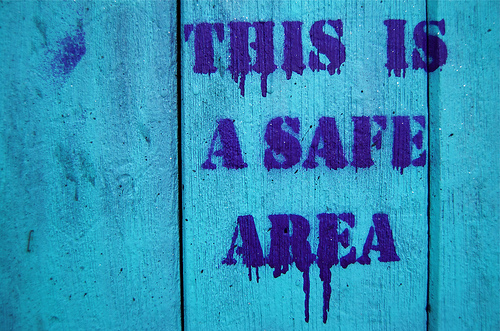
What does “safety” mean to you? When your family or close friends are struggling, do you help them move toward safety?
To me, it is when my situation at home brings on warm feelings of security, contentment, and happiness rather than stress or fear. Safety is having relationships built on kindness and authenticity. It is anticipating tomorrow as a good day, perhaps with its own set of problems, but at least without any self-induced drama or harm.
Safety is the serenity of acceptance and feeling relaxed being me, just as I am. But, most of all, it is feeling comfortable with God and knowing that he loves me and is looking after me, even—especially—when I’m struggling.
Deep inside, we all yearn for safety. Yet, paradoxically, many of us do things that lead us in the direct opposite direction. For example, it is estimated that 20-25% of Americans are in recovery from addiction. Millions more struggle with mental health or suffer from a compulsive fixation on control, anger, over-spending, workaholism, codependency, or some other issue.
It’s humbling but helpful to realize we all face some type of mental health issue during our lives. And it’s useful to accept the concept of “addiction” which is when we repeat the same negative behavior over and over, bringing harm to ourselves and others while naively hoping for positive results. Both conditions lead us away from safety. Unless someone decides to help.
One of the most meaningful acts of service you can engage in is to walk with someone who is struggling along a journey toward safety. With family members and close friends, you have the opportunity to support them in that life-changing process. It’s not your responsibility to take steps for them, but you make a big difference by helping them along the way.
how people move toward safety
You’ll be better able to help other people when you meet them where they are. You can be even more helpful if you truly seek to understand and empathize with their struggles. Remembering what it was like when you were hurting can help.
There was a time when my life felt anything but safe, and drama and chaos were daily companions. Each night, 3:00 AM brought feelings of fear and shame, with little hope for a worry-free tomorrow. Staring into the darkness, I wondered if God was hearing my desperate pleas for help. I know what it is like to be hurting, and that now helps me connect with people.
Working through a process of recovery equipped me to share tips, encouragement, and hope to help others who may be hurting. Because I remember how—with others walking with me—I found myself moving toward safety by becoming less …
Unaware – At first, I didn’t know what I didn’t know: “Alcohol had become a problem!” I kept telling myself it was no big deal, but the evidence was clear, and God kept whispering that for me it was a problem, until I finally allowed myself to listen.
- Next Right Step – If you know someone whose problem has become serious, you are performing a huge service to talk to them about it. Something like: “I sense you’re struggling. I’m not judging, but how are you doing, and can I help?”
Unconscious – The thought of being someone with an addiction was terrifying; that happens to other people, not to me. Maybe that’s why I didn’t accept that reality for a while. Learning to honestly count the cost of my habits led me to the truth.
- Next Right Step – There are ways to have a discussion with someone who hasn’t admitted their problem: ask questions about their life and follow up on their answers; share a vulnerable story of struggles you’ve had; normalize the breadth of the problem without excusing it; approach it from a faith standpoint; and lead with your concern and love for them.
Unworthy – Shame is one of our darkest emotions, and it’s one that strikes many of us. If you struggle with it, you are not alone. It’s one I have found hardest to let go. But the good news is that leads me to prayer and trusting God over and over.
- Next Right Step – Help them address shame without excusing their behavior. Shame attacks identity. Emphasize that God designed them, loves them, and has good plans for them. Remind them they are not defined by their problem.
Unconnected – When we are engaged in a bad habit, we try to hide it from others. That leads to emotional isolation as we stop being honest with people, and then to literal isolation. But just talking to someone can be the first step toward safety.
- Next Right Step – One of the most powerful things you can do is provide a safe environment so they share their issues with you. That step toward safety can sometimes make all the difference. Then, keep encouraging them to get help.
Uninformed – What led me to leave the business world to start a ministry was seeing how valuable the lessons taught in recovery were in real life. That’s the only place I’ve seen that teaches spiritually-sound, practical life skills that enhance your emotional, mental, and social well-being. That’s why we started STEPS, to bring those lessons to the rest of the world.
- Next right step – Learning there are practical steps they can take to make things better can be a breakthrough. You can help by sharing STEPS resources that will meet them where they are and suggest simple steps to move forward.
Unsafe – Addictions, mental health problems, and compulsive negative habits often lead toward an environment that feels like insanity. The good news is that we can move toward safety instead, especially with the help of others. That was a journey that changed my life as our family slowly put behind us the “Dark Ages” of our trials and took steps toward peace and safety.
- Next Right Step – If there are concerns about safety, for them or others, that is paramount. Driving under the influence is never allowable. They need to understand the danger of drugs laced with deadly fentanyl. If there could be any danger of suicide, ask them if they have considered harming themselves. And it is more urgent than ever they get some help.
Unrepentant – There was a period when I knew God wanted me to stop drinking, but I repeatedly chose disobedience instead. My issue had become my idol. I didn’t want to be unrepentant, and I felt ashamed, but I kept drinking anyway. Which means I understand how hard it can be for people who are struggling. Because I was there.
- Next Right Step – If someone refuses to accept their problem, don’t give up on them. Tell them you believe in them, they have a positive future, and you’re there if they decide to move forward. But don’t enable them by minimizing the problem or protecting them from consequences. As needed, set boundaries so they don’t pull you into their insanity.
Eventually, I couldn’t bear it anymore. With support, I found steps that helped, and that can help you, move toward safety. I captured them in my first book called STEPS: A Daily Journey to a Better Life. I learned there are many steps that can help us move in the right direction, so it’s helpful to offer ideas for which can be most impactful as someone gets started such as:
- Surrender: let go and let God. Set down the weight of control and fear and put our life in God’s loving hands.
- Practice honesty and grace. One day at a time, choose to be both real and accepting of others and ourselves.
- Talk to someone vulnerably. Admit what’s going on to someone else and share life with people we can trust.
- Keep learning and growing. Get educated, read books, connect with a good church, and keep moving forward.
- Build a solid recovery plan. Muster the courage, which soon becomes enjoyment, to go to recovery meetings.
These types of conversations have weight and substance, and they can make a huge difference in someone’s life. You are stepping out to serve someone in a meaningful, deeper level when you decide to walk with them along that journey.

Helping others by providing safety
More than half of families have someone struggling with substance use or mental health, so you know a number of people who could use your encouragement and support. But how should you act if they are brave enough to let you in? And what can you do to encourage them to open up to you? Here are some concepts to consider:
- When they talk to you, move toward them rather than away from them.
- Be supportive, let them know you care, and compliment their courage.
- Don’t assume you understand unless you’ve been in that place yourself.
- If you’ve been there, being vulnerable helps. If you haven’t, still show empathy.
- Don’t judge them or label them, just accept them right where they are.
- We all have issues, including you, so remember that and focus on grace.
- Don’t try to fix them. Don’t criticize, be helpful through encouragement.
- It’s not your job to fix them, and you can’t do it anyway. Be real but positive.
- Keep it anonymous under all circumstances (except for physical safety).
- Sharing sensitive information about someone with a third-party is rarely okay.
If you have had issues, you are equipped—perhaps called—to help bring safety to others who are close to you. Being vulnerable with other people about your struggles gives them permission and the opportunity to do the same.
I thank God for what life has now become, not in spite of struggles I have been through, but in many cases because of them. Moving toward safety has become a journey and a lifestyle. No matter where you are, life can get better for you too.
And if you know someone who is struggling and are willing to walk with them, you can make all the difference.
