Helping young people
Live on Purpose
The teenage years and early twenties are filled with change, opportunity, pressure, and important choices. This online toolkit offers some important topics for young people to consider as they learn to effectively make their way in the world.
It also provides topics for conversations between young people and parents, caregivers, educators, or mentors. If approached in a real and vulnerable manner, those discussions can help young people become more prepared, aware, connected, and educated to make healthy choices, fulfill their potential, and move toward a positive future one step at a time.
Getting started
Young people can use this toolkit in several flexible ways:
- Scan the toolkit and go directly to a lesson that grabs you.
- Go through the lessons in order to get the most benefit.
- Pick videos and podcasts that are most relevant to you or use the video playlist and podcast collection at the bottom.
To help you apply these topics to your life, use the Reflection Questions for each lesson. You can also use the workbook with those same questions that is featured at the bottom.
And know these things to be true: you are designed by God in a special way and you have great value; it’s okay to not be okay sometimes but you don’t have to stay that way; and you have great purpose in life that is distinctly yours to achieve.
Anyone who wants to be there for young people as they make their way in the world can share these lessons with them and have conversations on those topics. Download or print the workbook and use those questions for discussion. Note the podcasts with the same content as the articles. Focus mostly on listening as they think and talk about “living on purpose.”
Lesson 1: Preparation
How young people stay happy and healthy with preparation for the teenage years

- Live each day on purpose by being more intentional, setting small daily goals, and celebrating successes and learning experiences.
- Be proactive building habits by encouraging positive thoughts, prioritizing what you learn, and spending time with good people.
- Accept facts about substances by avoiding impaired driving, understanding the dangers of fentanyl, and knowing how addiction works.
LET’S TALK: TEN REFLECTION QUESTIONS
1. What was your main takeaway from this article?
2. What points did you agree with?
3. Was there anything you disagreed with?
4. What is one thing you might do or change after reading this?
5. In what area of your life could you be more intentional rather than reacting emotionally or making impulsive choices?
6. What small daily goal could you set, and how could you celebrate your progress or learn from the result?
7. What positive thoughts or learning priorities would you like to develop into habits?
8. Who are some good people you can spend more time with, and what qualities do you admire in them?
9. Why is it important to decide ahead of time that you will always avoid impaired driving?
10. How should the fact that any non-prescription pill or illegal drug could be laced with deadly fentanyl change the behavior of people who use drugs?
Lesson 2: Awareness
Teenagers can move in the right direction by developing their awareness

- Increase your self-awareness by being aware of your emotions, recognizing your weak areas, and leveraging your strengths.
- Be comfortable in your identity by realizing everybody has issues, believing you have great value, and knowing you have a good future.
- Develop situational awareness by understanding warning signs, looking out for peer pressure, and setting boundaries for yourself.
LET’S TALK: TEN REFLECTION QUESTIONS
1. What was your main takeaway from this article?
2. What points did you agree with?
3. Was there anything you disagreed with?
4. What is one thing you might do or change after reading this?
5. What emotions have you been feeling recently, and what might those feelings be telling you?
6. What is one weak area you would like to improve and one strength you would like to leverage?
7. How does realizing that everybody has issues affect the way you see yourself and other people?
8. How can it help to have a positive identity and believe you have great value and a good future?
9. What warning signs in some situations might show that you’re moving in a dangerous direction?
10. What boundary could you set now to help you respond to peer pressure or a sketchy situation?
Lesson 3: connection
It matters that young people know how to find connection and belonging

- Participate in healthy activities by choosing positive activities you enjoy, finding a good group to join, and having healthy outlets.
- Build encouraging friendships by practicing effective communication, learning how to make good friends, and being there for others when needed.
- Develop a relationship with God by understanding what God is like, talking to him just like a friend, and agreeing to let him help you.
LET’S TALK: TEN REFLECTION QUESTIONS
1. What was your main takeaway from this article?
2. What points did you agree with?
3. Was there anything you disagreed with?
4. What is one thing you might do or change after reading this?
5. What positive activity or good group could help you have fun and connect with other people?
6. What healthy outlets or things you like to do can help you cope when you are having a bad day?
7. How could listening closely, showing interest, and asking questions help you communicate more effectively?
8. What are practical examples of being authentic, trustworthy, and encouraging in a friendship?
9. What does the article say God is like, and can believing that help when you feel disconnected?
10. Are there areas where you would like God to help you, and what is a first step you can take?
lesson 4: education
Teenagers learn how to manage situations with practical education for real life

- Prepare yourself for situations by anticipating what may happen, utilizing helpful information, and figuring out your approach ahead of time.
- Develop emotional intelligence by accepting that EQ is important, utilizing proven life hacks, and continuing to improve your EQ.
- Learn to manage your mind by pausing to understand more, evaluating what’s going on, and choosing an action to take.
LET’S TALK: TEN REFLECTION QUESTIONS
1. What was your main takeaway from this article?
2. What points did you agree with?
3. Was there anything you disagreed with?
4. What is one thing you might do or change after reading this?
5. What future situation could put you in an uncomfortable position or lead you to a tough choice?
6. What approach could prepare you for that situation, or is there someone you could learn from?
7. How could developing your emotional intelligence (EQ) help improve your life in practical ways?
8. Which of the EQ life hacks listed as examples in the article would be helpful for you to practice?
9. How can pausing help you understand a situation before emotions or temptations lead you to react?
10. What methods work best for you to evaluate what’s going on to help you make good choices?
lesson 5: steps
Young people can create a good future by taking small steps forward

- Dream big and build a plan by having dreams for the future, choosing goals to help you focus, and creating plans to get there.
- Keep taking next right steps by focusing on what to do next, choosing what seems right, and getting going and taking steps.
- Have assurance for the future by maintaining a positive perspective, continuing to take steps forward, and declaring your faith in God.
LET’S TALK: TEN REFLECTION QUESTIONS
1. What was your main takeaway from this article?
2. What points did you agree with?
3. Was there anything you disagreed with?
4. What is one thing you might do or change after reading this?
5. What dreams do you have for your future that could help improve your overall well-being?
6. What goals and plans could help you make progress toward achieving one of those dreams?
7. In that area, what is an important next step you can take to move you in the right direction?
8. What sometimes keeps you from getting going, and how would it help to focus on progress versus perfection?
9. What would help you maintain a positive perspective so you believe that your life can get better?
10. How can continuing to move forward in your faith in God give you more assurance for the future?
use these convenient summary resources
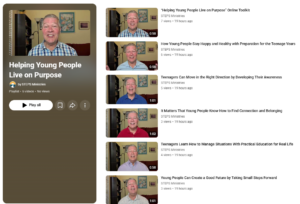
Watch all the Videos
Hear all the podcasts
Use the Workbook