
Listen to the podcast version
Watch a 1-minute summary video
Years later, I would look back and wonder: “What if we had gotten some help? What if I had learned what to do earlier?”
Prior to that was a period I think of as the “Dark Ages” for our family. Most nights, I would find myself staring at the ceiling, haunted by fear and shame. Our teenage son was using drugs, and things were coming apart. My wife was struggling with depression. My drinking had gotten out of control, but it was the only way I knew to turn things off for a while. Somehow, I’d get up in the morning and go to work and act like everything was okay. I’d show up at church on Sunday with a smile pasted on my face. Because no one knew about our issues, and we weren’t getting help for the struggles we were facing.
In those years, I worked in leadership positions at my company, and we attended two churches. I was in civic, professional, and church groups. My wife worked at several places, and our son attended two schools. None of those organizations—except one—offered support or encouragement for people facing our types of problems.
The “New Normal” for People and Organizations
Everywhere, individuals and families are struggling in ways that often go unseen.
Addictions—to substances and harmful behaviors—are widespread. Families are besieged by anxiety, teenagers battle depression, and adults carry their stress and shame inside as they go about their day. The signs are often hidden or overlooked, and support comes only after a crisis has taken hold.
About 17% of American adults had a substance use disorder in the last year, and 23% dealt with a mental illness (SAMHSA). Overall, 3 in 10 people suffer from those conditions, which means as many as 100 million Americans are struggling. At least one in two families have substance abuse or mental health problems but, tragically, most of those hurting do not get help.
Mental health issues, substance abuse, disconnection, and disengagement are not limited to any one group. These challenges touch people in every community. And every organization. All groups of people—companies, churches, nonprofits, government, schools, clubs—are affected. This has become the “new normal” for these modern times.
Many organizations have become aware of the widespread impact of behavioral health issues on their people and on the organization itself. The good news is there are practical ways they can respond, and it’s easier than many leaders think to move forward. Organizations who want to serve and support their people can take simple steps that will make a difference. They can bring help, healing, and hope to people who are struggling, and it starts with the next right step to reach out.
“Of the decisions executives make, none is as important as the decisions about people, because they determine the performance capacity of the organization.” (Peter Drucker)

5 Things We Need to Know on Behavioral Health
We need to change how we think about behavioral health problems. Because much of what we believe about substance abuse and mental health is wrong. And those misconceptions—stigma and judgment—are hurting people.
Because we all face issues, harmful habits, and behavioral health problems at times, but most people who are struggling don’t get the help they need. The good news is that most behavioral health issues can not only be treated, they can be prevented from getting worse or happening in the first place! We can learn practical wellness-based life skills that enhance our well-being, make us more resilient, and give us a sense of purpose. And we can move forward one step at a time.
The STEPS initiative called “The Prevention Movement” is helping people adjust their thinking about substance abuse and mental health. It uses a methodology called “PACES” that helps people make positive changes in their lives and includes the five areas of Preparation, Awareness, Connection, Education, and Steps. The movement is grounded in five key messages, aligned with PACES, that reflect behavioral healthcare realities while showing empathy for people who are struggling.
These five ideas challenge things we have been taught and assumed—and they form the foundation of a healthy prevention and wellness culture. Taken together, the messages can help us change how we think about behavioral health:
Message 1. “We’re all addicted to something.”
At some point in our lives, everyone faces mental health struggles of one form or another. We also have harmful habits we find hard to stop—that’s a definition for addiction, which means it’s fair to suggest that we’re all addicted to something.
These are some of the facts on substance use and mental health that organizations need to understand, because they affect their employees, clients, congregations, and members:
- SAMHSA says 59% of people use addictive substances. They state that 17% have a substance use disorder, but the US Surgeon General warns that twice that many could be at-risk users.
- 56% of people report experiencing serious or moderate anxiety.
- 75% of high school students will try or use addictive substances.
- 70% of teens say anxiety and depression are major problems.
“Addiction is a habit with harmful consequences that we keep repeating—even though we want to stop.” (STEPS Ministries)
That’s the tip of the iceberg of the scope of behavior-related issues. Many people are addicted to harmful habits involving work, control, eating, spending, or pornography. Others are trapped in lives of quiet desperation of disconnection, frustration, and loneliness. Or they yearn for more purpose and meaning in life while questioning their identity and contribution.
At times, we all have issues, and we all struggle with something. The good news is there are things we can do to be prepared for those trials by maintaining a more proactive, healthy lifestyle.
Preparation: Be proactive in building a lifestyle that includes prevention and wellness.
Message 2. “Most people who struggle never get help.”
When we are hurting, we often don’t share our pain with others or get help because of our embarrassment or fear of perceived judgment. We need to change how we think about our problems and see that getting help is actually a sign of strength. It’s okay not to be okay, but we don’t have to stay that way.
The good news is that we all can help others who are struggling, such as by sharing useful resources or making the choice to “be there” for them. Sharing resources is easy: it only takes a moment to sign up for the STEPS blog and forward emails to people or “Follow, Like, and Share” social media posts and videos to offer help, healing, and hope to people we know.
“Being there” for someone takes more investment to make ourselves available to them in their struggles. But we don’t need to have all the answers or even know what to say, and it’s not our responsibility to try to fix them or take on their burdens. We simply listen with empathy and encourage them with our compassion and presence. And that can make all the difference!
“Only 1 in 10 people with a substance use disorder receives any type of treatment.”
(U.S. Surgeon General, Report on Alcohol, Drugs, and Health)
“Only about 1 in 3 people with a mental health condition receives treatment.”
(National Alliance on Mental Illness)
The numbers of people not getting help are higher in underserved rural and urban communities where issues of stigma are compounded by: limited help in the area, high cost or no insurance, lack of access to support, time or travel constraints, and low awareness of resources that can benefit them. Every person deserves a better life; we can help by enhancing awareness.
Awareness: Develop healthy self-awareness and a willingness to get help if needed.
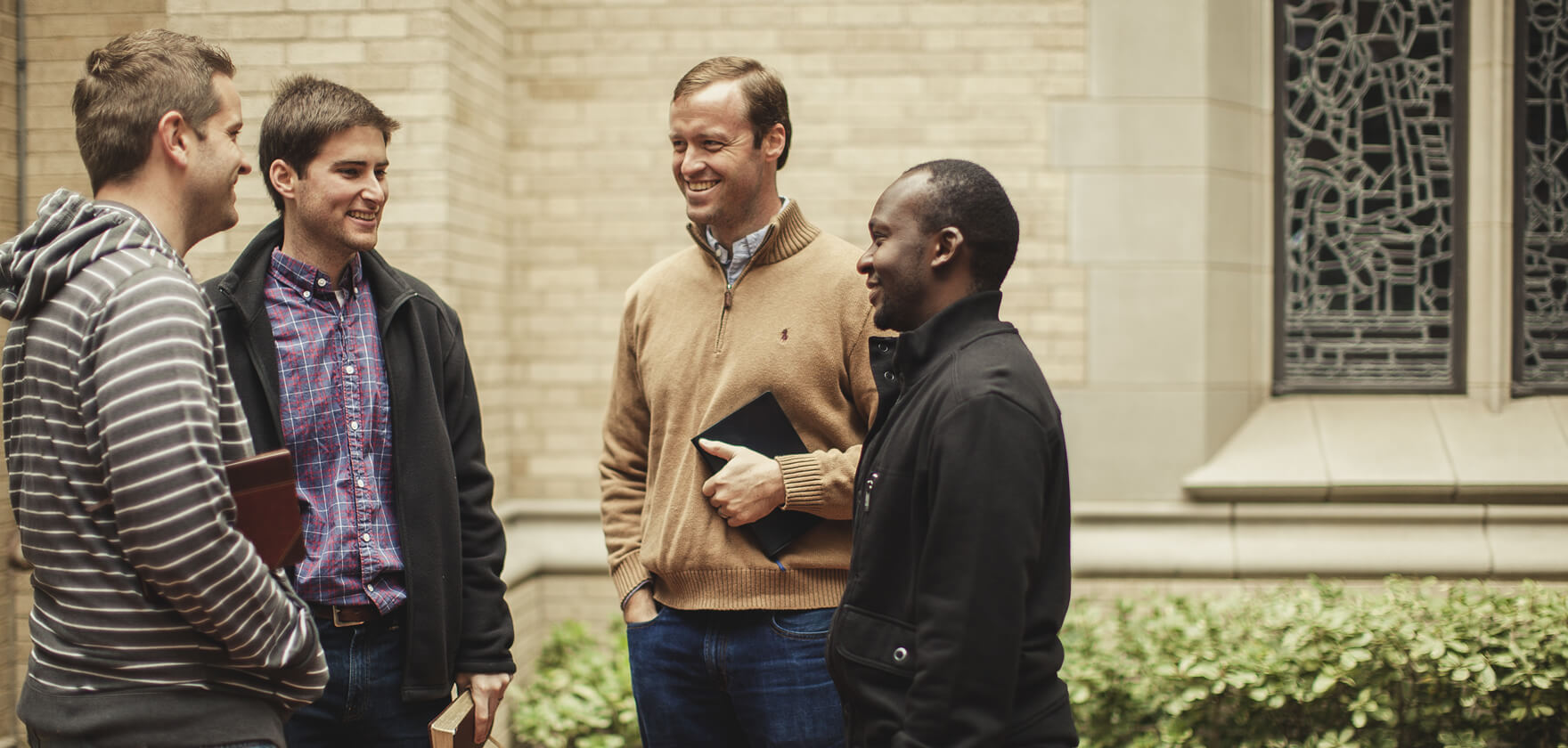
Message 3. “Behavioral health issues can be prevented.”
The true story at the beginning of this article mentioned the “Dark Ages” my family went through years ago. During those times, I learned a great deal from reading dozens of books, researching online resources, and talking to experts. Also from recovery programs, counseling, pastors, and support groups. And I experienced an epiphany: most behavioral health issues are not only treatable, they’re preventable! There is no magic wand we can use, but there are positive steps we can take.
Since those times, I’ve interacted with thousands of people who struggled with substance abuse or mental health issues who have learned how taking proactive, intentional steps forward helps prevent behavioral problems from getting worse. The concept of prevention is well-accepted and proven in most areas of healthcare, but what is desperately needed is for more people and organizations to apply this life-changing approach to the prevention of behavioral health issues.
“Addiction is a preventable, chronic disease.” (Hazelden Betty Ford Foundation)
STEPS integrates science-backed prevention and faith to help people improve their lives, grow closer to God, and prevent behavioral health issues from becoming crises. We do that with practical resources that offer help, healing, and hope: “Help” is practical steps to lead people in a positive direction; “Healing” comes through encouragement and a reminder that many people have been there and gotten better; “Hope” is found by making progress, in spiritual growth, and because God is with us for every step. Together, that means people can prevent problems and have a realistic assurance of a positive future.
Connection: Access to support and helpful people protect and enhance behavioral health.
Message 4. “Wellness-based skills help us live life better.”
One area STEPS focuses on is helping youth learn to thrive and fulfill their purpose. This led us to examine the question: “Where do people learn the practical life skills to live effectively and achieve wellness?” The answer may surprise you: “Many people don’t learn them at all; they make it up as they go along!” There are few sources of education that teach specific skills to enhance our overall well-being, so we each come up with our own coping mechanisms as we move toward adulthood.
To help people develop those skills more thoughtfully, STEPS promotes personal growth across five core areas of wellness:
- Emotional – Building self-awareness, identity, and resilience.
- Mental – Learning to make good choices and manage our mind.
- Social – Encouraging healthy relationships and positive connection.
- Spiritual – Cultivating purpose, faith in God, and values-based living.
- Personal – Helping people move forward with intention and direction.
“Wellness is an active process through which people become aware of, and make choices toward, a more successful existence.” (National Wellness Institute)
STEPS provides resources grounded in an evidence-based, faith-informed perspective. Science and faith not only coexist; they support each other! We research areas including psychology, neuroscience, wellness, recovery, the Bible, and personal development. We look for principles that have been proven to work for many people over a long period of time and integrate many of the most well-known evidence-based concepts and techniques into our methodologies and education.
Education: Be thoughtful about learning practical skills for healthy and effective living.
Message 5: “We can improve our lives one step at a time.”
One of the most well-proven ways to improve our lives is by taking small steps in a positive direction. This is validated by behavioral psychology, neuroscience, Cognitive Behavioral Therapy (CBT), recovery, spiritual formation, habit building, change management, education science, and performance psychology. That simple concept is both useful and powerful.
Encouraging people to focus on taking the next right steps each day helps them move forward rather than remaining trapped by their problems. In physics, the concept of inertia states how a body at rest tends to stay at rest while a body in motion will tend to keep moving. For most people, the key is getting started, because the first step may be the hardest, but it’s the most important. That’s why sharing resources to help people take small steps can make a big impact.
“Tiny changes make a big difference.” (BJ Fogg)
All of us can help other people who are struggling—if we’re willing to take the next right steps. We can be a positive example by helping them see they don’t have to change their lives all at once, just take it a step at a time with the goal of progress, not perfection. By sharing practical resources and being there for each other, we can make a difference in people’s lives, especially when they’re hurting. Together, we can build a culture of wellness and prevention—one step at a time.
Steps: Have an intentional plan to help you make progress one small step at a time.
Together, these five messages can change how we think about behavioral health. Because we all have issues, but there are things we can do to get better and prevent our problems from becoming worse. We can learn practical wellness-based life skills and live in a way that deals with issues before they become crises. We can improve our lives one step at a time.
And the organizations in which we participate—companies, churches, nonprofits, civic groups—can help. They can step up to the calling of being there for their people and supporting them, especially when they’re struggling.

STEPS Helps Organizations Help Their People
STEPS equips organizations, individuals, and communities to live life better and avoid behavioral health problems. This is possible because many of these challenges are preventable—if organizations and people are appropriately equipped with earlier awareness, connection to practical resources, and wellness-based life skills education.
Organizations can make a positive impact on their people simply and easily by providing useful STEPS resources to help them build wellness-based life skills and prevent behavioral health problems.
Here are examples of some of the positive outcomes such a program can bring to an organization:
- People outcomes: Improve mental health and substance abuse issues affecting many people—including leaders and high-performers—and prevent problems from turning into crises. Enhance their well-being and that of their families.
- Performance outcomes: Increase productivity of the people and the overall organization. Enhance the developmental resources available to help them professionally and personally. Improve morale, engagement, and retention.
- Cultural outcomes: Create a culture based on trust, compassion, and service and model faith-friendly servant leadership.
- Financial outcomes: Lower costs for healthcare, insurance, and turn-over, enhance benefits, and deliver a positive ROI.
Education on wellness-based life skills and prevention of behavioral health problems is an investment in your people’s lives and in the organization itself. Waiting has a cost, because every week some of your people and their families are suffering, and the impact on engagement and productivity across the organization is unseen but real.
STEPS has done the research to develop proven, practical resources you can offer to your people. Implementation is quick-and-easy with little support required. STEPS provides everything you need to strengthen your organization’s culture of care.
Executive Summary: “STEPS provides an educational content portal you link to on your website and tell your people about.” That’s it! This simple, five-step implementation approach based on the PACES methodology shows you how we get there:
- Preparation – Share an overview video from STEPS with your leaders to establish a shared culture and understanding of prevention and wellness-based life skills.
- Awareness – Confirm STEPS resources you want to offer to your people including areas such as wellness-based life skills (e.g. relationships, productivity, intentionality, spiritual growth, etc.), prevention of behavioral health issues (e.g. anxiety, depression, substance abuse, harmful habits, etc.), and proactive parenting your people can utilize at their own pace.
- Connection – Designate a part-time administrator to coordinate communications to your people and serve as the point person for encouraging use of the resources.
- Education – Connect a content portal that STEPS provides to your website so your people have convenient, confidential access to wellness-based life skills training.
- Steps – Send regular communications to your people over time to feature and link to specific STEPS education toolkits they can use at any time and from anywhere.
Simply by sharing helpful STEPS resources, you can make a positive impact on your people and perhaps a generational impact on their families. And improve the culture, efficiency, and effectiveness of your organization at the same time.
It’s easy to do, and you don’t change anything in your operations or add staff. You don’t have to know all the answers to help others. You simply recognize the needs and benefits and take the next right steps. You can start by contacting STEPS now.
